The U.S. Green Building Council established the Leadership in Energy and Environmental Design (LEED) green building rating program in 1998. Since then it has transformed the building environment by emphasizing sustainable building design. LEED 2009 is the newest version of the USGBC green building certification program and is used by architects and most Federal agencies, states and local governments. LEED 2009 is based on an integrated “whole building” design approach to sustainability.
Credit 2—Construction Waste Management (1-2 points)
The components in S-5! clamps and PV kits are made from 6061 T6 aluminum and 300 series stainless steel hardware. They are fully recyclable at the end of their service life and can be part of a construction waste management program to be diverted from disposal, allowing for the building to qualify for points in Credit 2.
Credit 4—Recycled Content (1-2 points)
The components in S-5! products are high in recycled content which help a building qualify for points in Credit 4. For more information on Recycled Content of metal roofing materials refer to the Metal Construction Association at www.metalconstruction.org/Technical/RecycledContent.
PREREQUISITE 2. Minimum Energy Performance (Required)
Using S-5! products to secure rooftop renewable energy systems on a metal roof can help the building qualify for the prerequisite of demonstrating a 10% improvement in the proposed building performance rating compared with the baseline building performance rating.
Credit 1—Optimize Energy Performance (1-19 points)
Using S-5! products to secure rooftop renewable energy systems can help the building qualify for points based on a demonstrated percentage improvement in the proposed building performance compared to the baseline building performance rating using Appendix G of ASHRAE Standard 90.1-2007.
Credit 2—On-Site Renewable Energy (1-7 points)
Using S-5! products to secure rooftop mounted photovoltaics can help the building qualify for points in Credit 2 for the use of on-site renewable energy systems to offset building energy costs.
Credit 7.2—Heat Island Effect: Roof (1 point)
Metal roofs are available in a selection of colors and finishes that comply with the Solar Reflectance Index criteria in Sustainable Sites Credit 7.2.
USGBC references the Cool Roof Rating Council which lists the solar reflectance, thermal emittance and solar reflectance index values of roofing products at www.coolroofs.org.
Credit 1—Water Efficient Landscaping; Credit 2—Innovative Wastewater Technologies; Credit 3—Water Use Reduction (up to 10 points, collectively)
Metal roofs are ideal for rainwater harvesting in order to reduce the use of potable water for unnecessary applications. Their clean, smooth and inert surfaces are less prone to contamination by dust, leaves, soiling and other debris than rougher roof products. When rainwater is collected for interior water uses or irrigation, it is preferable to use relatively inert materials such as metal instead of petroleum-based roof products such as composite shingles, bituminous membranes and asphalt coatings. Using S-5! products in a rainwater collection system can help the building qualify for points in Credits 1, 2 and 3.
Regional Priority (up to 4 points)
The energy and environmental benefits described in this guideline could also provide Regional Priority credits depending on the location of the building. Refer to the USGBC website for information on Regional Priority credits that may be available in your area at www.usgbc.org.
The LEED 2009 program includes rating programs for Green Building Design and Construction, Green Interior Design and Construction, and Green Building Operations and Maintenance. This S-5! guideline refers to LEED 2009 Green Building Design and Construction, which covers the rating systems for the design, construction and major renovations of commercial and institutional buildings, including core and shell, and K-12 school projects.
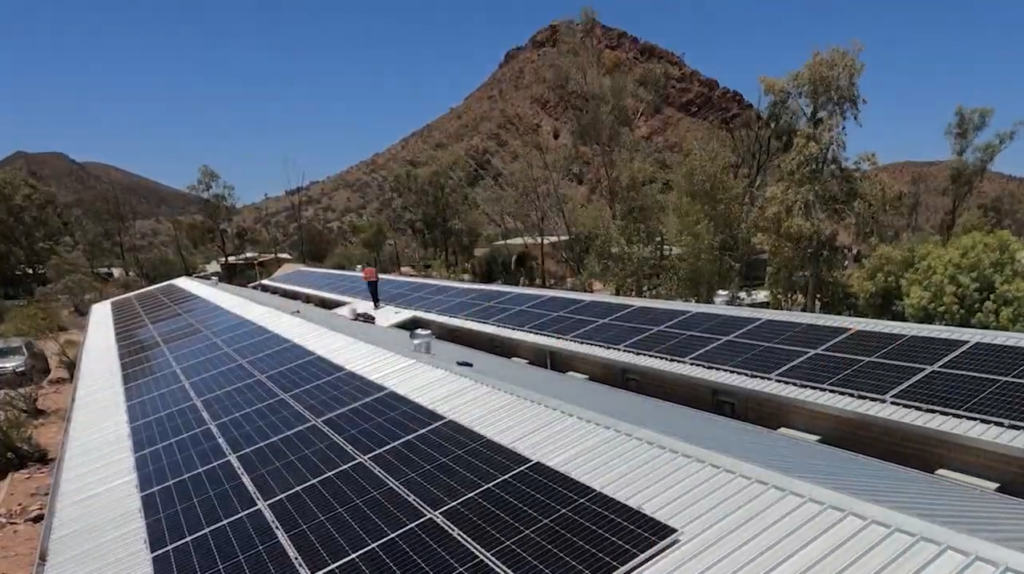
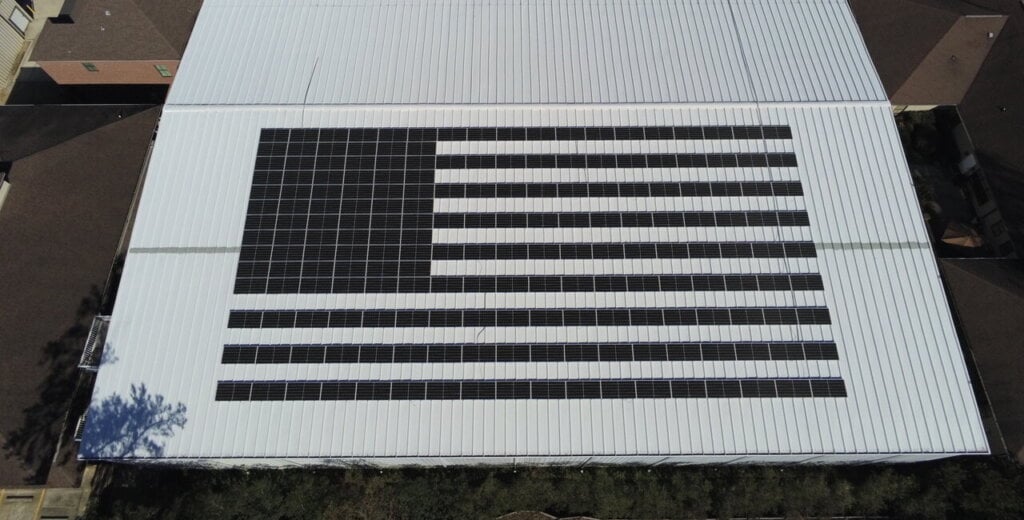
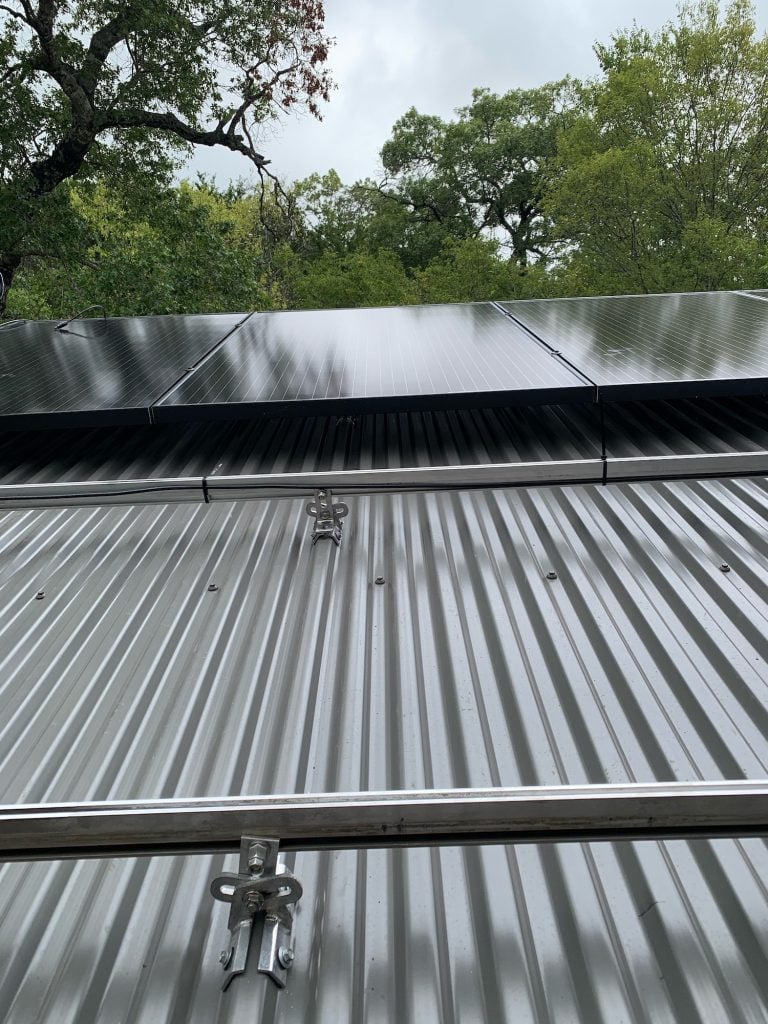
S-5! products allow for an easy, non-penetrating and secure method of attachment for photovoltaic panels or other on-site renewable energy technologies mounted on a metal roof or ground-mounted system. This is an integral part of increasing the energy efficiency of a building.
In addition, you can use our clamps and brackets for rail-mounted solar PV mounting.
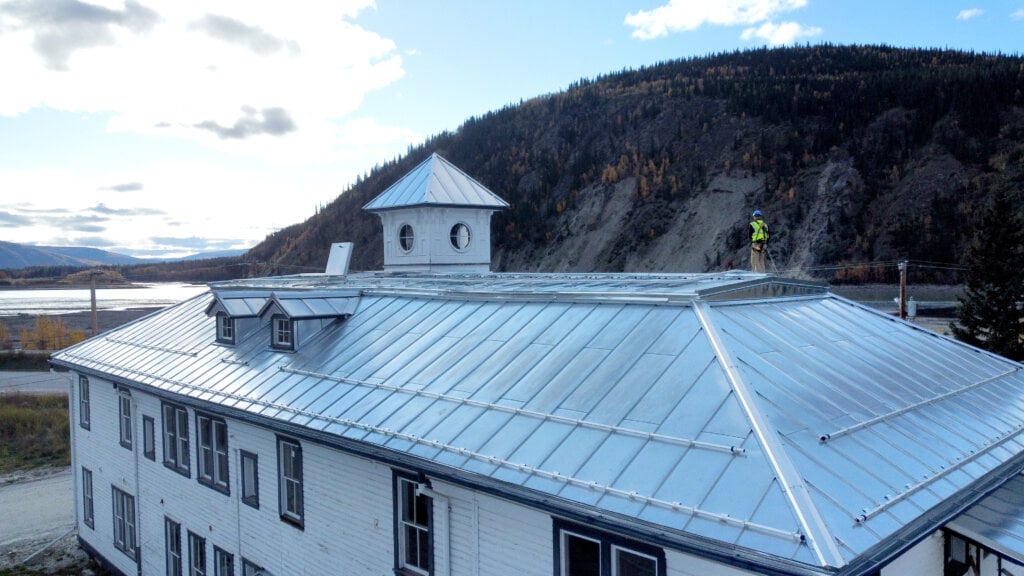
S-5! products can be used to attach snow guards. Snow retained on roofs with snow guards provide an extra insulation layer to the roof during the time of the year when heating loads dominate. S-5! offers various snow guard solutions. ColorGard®, SnoRail™, and SnoFence™ for example —are made from recycled materials, are fully recyclable (unlike plastic snow guards), and are mechanically-attached to a metal roof without the use of chemical adhesives.
A metal roof can directly qualify for one point in the Sustainable Sites Category based on its radiative properties. But a metal roofing system on a LEED registered project can also qualify toward many other points in the LEED 2009 rating program. S-5! products used with metal roofing systems provide many benefits to the durability and integrity of the roofing system. Using the LEED program as a tool, a project design team evaluates and integrates all products and processes in a whole building approach in their efforts to create a sustainable building.