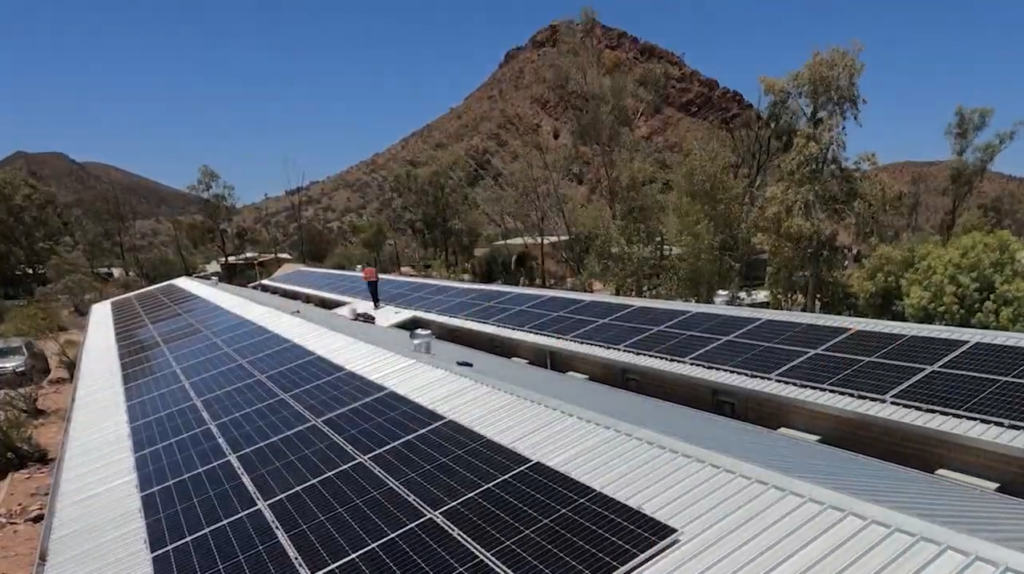
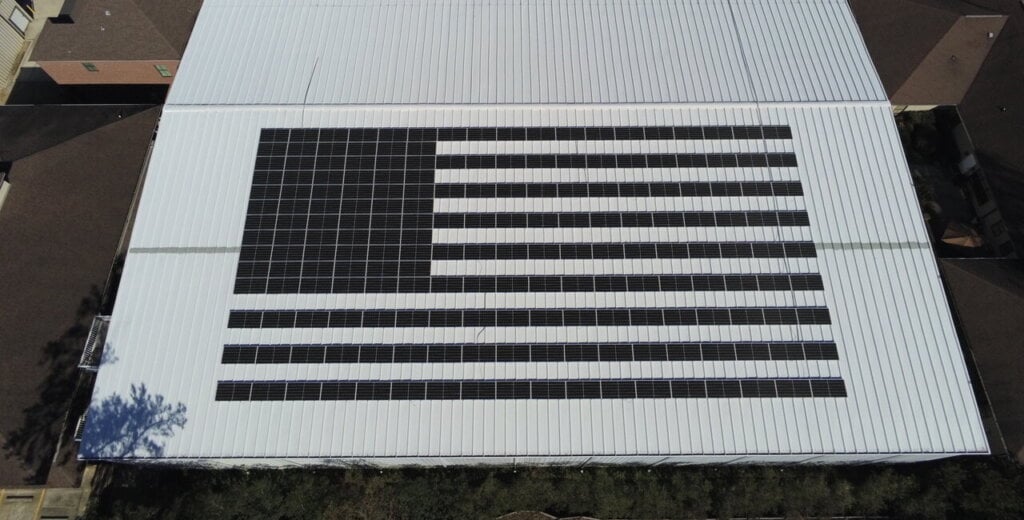
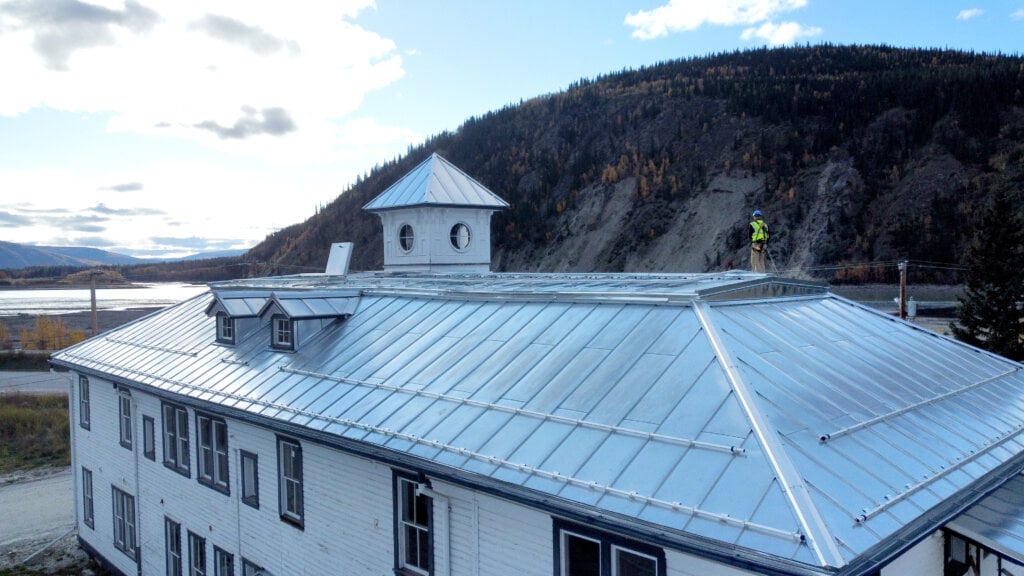
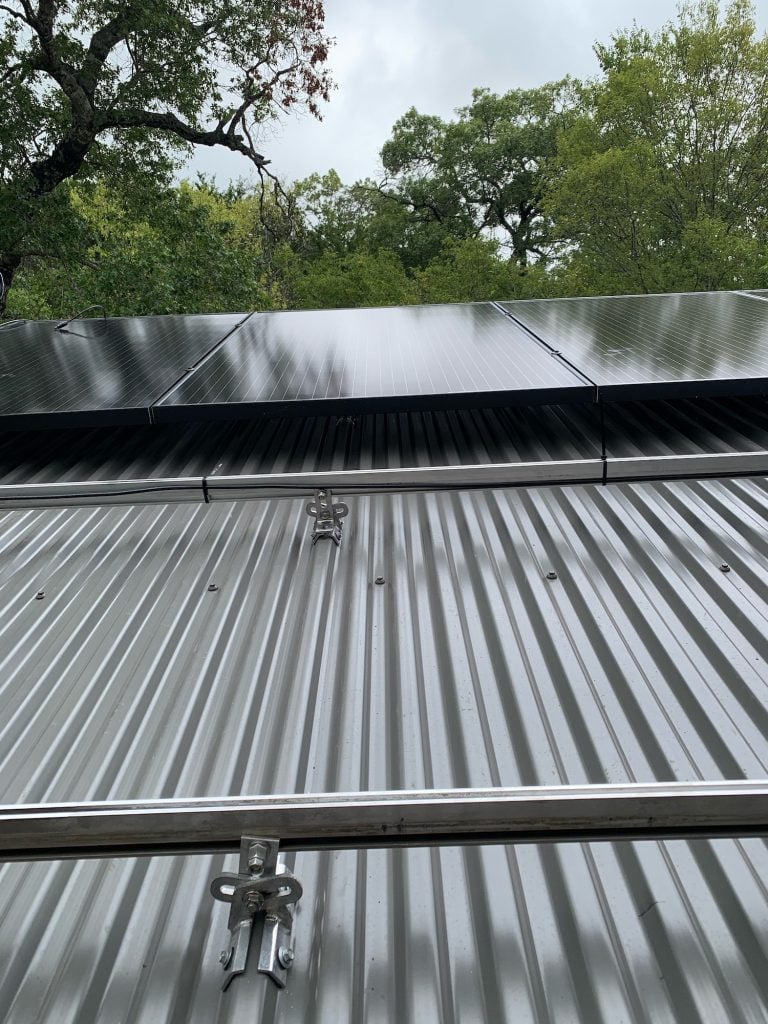
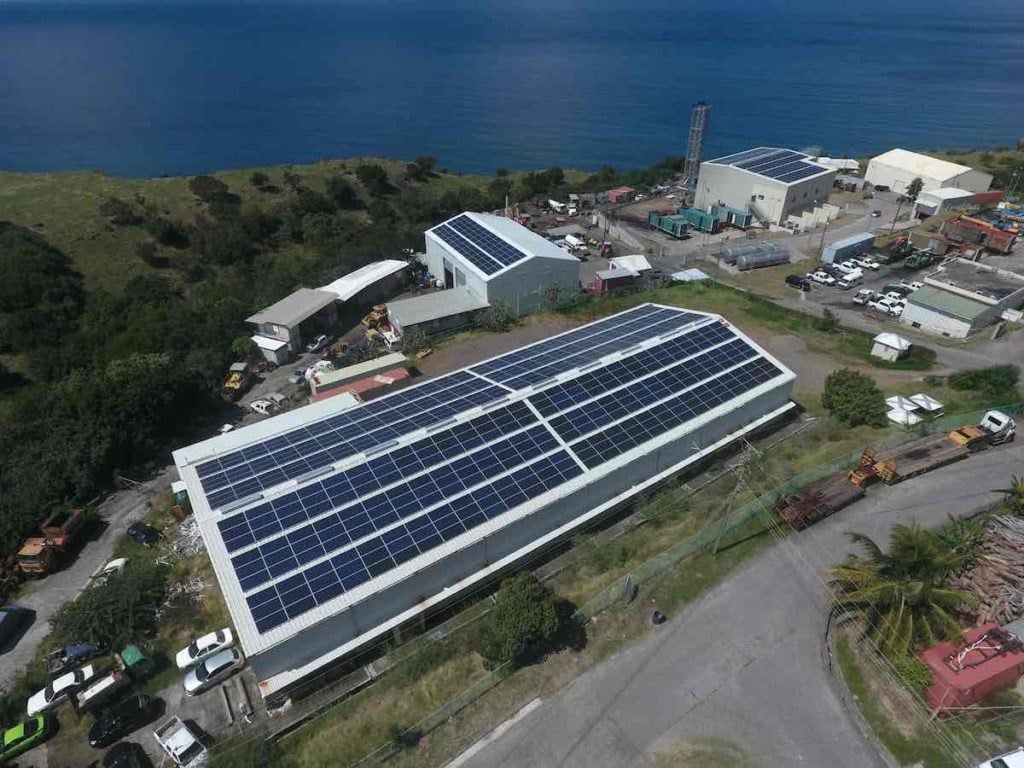
The S-5-RC (“R” stands for Riverclack) is a non-penetrating, standing seam metal roof (SSMR) clamp.
Specifically tailored to fit the geometry of the Riverclack metal roof, the S-5-RC attaches a wide range of rooftop accessories including solar arrays—penetration-free. The durable clamp is made of high-quality structural aluminum to match Riverclack’s long-lasting performance.
The two-piece design of the S-5-RC interfaces with the rib geometry protecting the roof from corrosion and preserving the metal panels’ thermal cycling characteristics.
Ideal for both small- and large-scale industrial, commercial and institutional projects, you can install the S-5-RC anywhere along the seam for placement flexibility. The clamp creates a mechanical interlock strong enough to mount most rooftop applications, with certified holding strength.
All standard clamps undergo rigorous load testing. Clamp-to-seam tensile testing pulled normal to the the panels is performed on all standard clamps.
Be sure to check out the many other features on the clamp overview page.
Choose the S-5-RC to mount the S-5! PVKIT for a streamlined rail-less solar system, or attach walkways, satellite dishes, antennas, rooftop lighting and lightning protection.
Combine the clamp with the S-5! GRipperFix® utility mounting system to attach mechanical equipment or with the CanDuit™ clamp to secure conduit or condensate lines.
Riverclack Standing Seam
Insert the toe of one side of the clamp into the channel adjacent to the seam. Rotate the clamp part toward the seam to create an interlock between the toe and the panel. Repeat this step with the other half of the clamp. Insert the M8 bolt and tighten until mating surfaces are in full contact. The RC clamps are now ready to install various rooftop ancillaries.
*See more detailed installation instructions in the PDF below.
*S-5! clamps may be moved in the event of initial misplacement. However, due to the ensuing oxidation process which acts as a natural thread lock, we can express no opinion to the performance of a clamp once it has been removed and reinstalled or the ability to remove the clamp after this process has occurred.
Submit your information by clicking the form below, and we’ll get back to you as soon as possible.
The answer to this question varies with the load direction, the seam profile, the roof material and the clamp model.
These variables result with a wide range of holding capacities from ±300 lbs (235 kg) to ±4,000 lbs (1800 kg). This is why for critical applications it is important to correctly identify the roof panel, seam type, gauge, etc along with the recommended seam clamp for the specific roof. [ link-- Clamp-to-seam tool] When used on some “applied cap” architectural type seam styles, S-5! may yield low load-to-failure results as compared with integrated seam profiles. Always check our load table to verify the correct allowable holding strength on your specific roof type.
When properly used, they do not. Proper use may in some cases involve exact clamp placement. The roof panel grows and shrinks dimensionally with temperature change. This movement is very minimal with shorter roof lengths, but can become significant with long roof lengths. When roof panel length is greater than 30 ft (9m), standing seam metal roofs are often designed to respond thermally with dimensional change along the length of the panels. This is accomplished at the roof panel-to-its attachment clip interface or within the attachment clip itself.
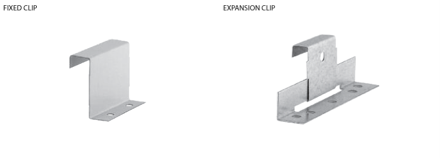
Most pre-engineered metal buildings and other clip designs utilize dual-component clips when roof panels are above a certain length. Within the dual-component clip (often called “thermal clip” or “expansion clip”), the top portion moves thermally with the roof panel, while the lower portion (fastened to structure) is stationary; the two portions are joined with a slip joint.

When attaching to this type of standing seam metal roof, the S-5! clamp can be attached anywhere along the seam whether at a clip location or between clips.
Other standing seam metal roofs rely on differential movement between roof clips and roof panels to accommodate thermal cycling. In other words, the roof panel “rides” the clip to accommodate excessive thermal cycling. When installing the S-5! clamp on this type of standing seam metal roof, the clamp locations should avoid the panel’s attachment clips if and when panel lengths exceed 30’ (9 m). Click to read more.
The key to frequency and spacing of attachment points for PV is to distribute loads to the metal standing seam panels in a manner that is consistent with the intended distribution of loads from the roof panels into the building structure.
With very few exceptions, the attachment of a single S-5! clamp (even the “Mini”) to the seam will be stronger than a single point of attachment of the seam to the building structure. Hence the “weak link” is not the S-5! clamp, but the attachment clips that hold the metal panels to the building structure, or the beam strength of the roof panel seam, itself.
The most conservative approach to the spacing/frequency of PV attachment to the roof is to determine the spacing/frequency of the roof’s attachment to the building structure; then duplicate it at minimum.
Read on for tips for determining panel attachment spacing.
Standing seam metal roofing (SSMR) is the most convenient of any roof type for mounting PV modules, either crystalline or thin-film. The seams of SSMR are beam-like elements that not only add stiffness and flexural strength to the roof panels but also provide expedient attachment points for a PV system. Joining PV modules to this roof type can be done with or without continuous mounting rails using aluminum seam clamps. Read more about how a standing seam metal roof can save you money in your next solar install.
Also, check out our project breakdown of a solar PV system using rails and using the direct-attach™ method: "5 Things to Consider When Wanting a Low-Cost Solar Module Mounting System".