An Argentinian landmark relies on non-penetrating solar attachment solution for its metal roof.
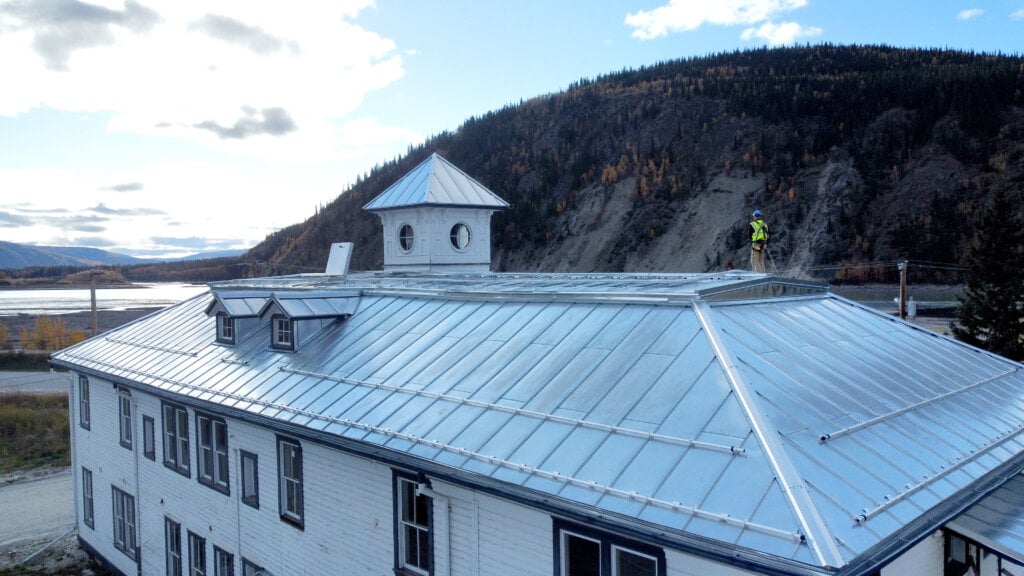
The particular characteristics of the roof and symmetry of the Santa María building, together with the roof pitch, presented a challenge for installing the PV modules. Using a traditional rail system was out of the question for this particular curved, steep-slope application. And, maintaining the aesthetic harmony of the building was critical as it is located in a popular, upscale residential area along the Rio Darsena Sur and can be viewed from any vantage point along the river or in the city. Furthermore, the UCA had multiple objectives to achieve.
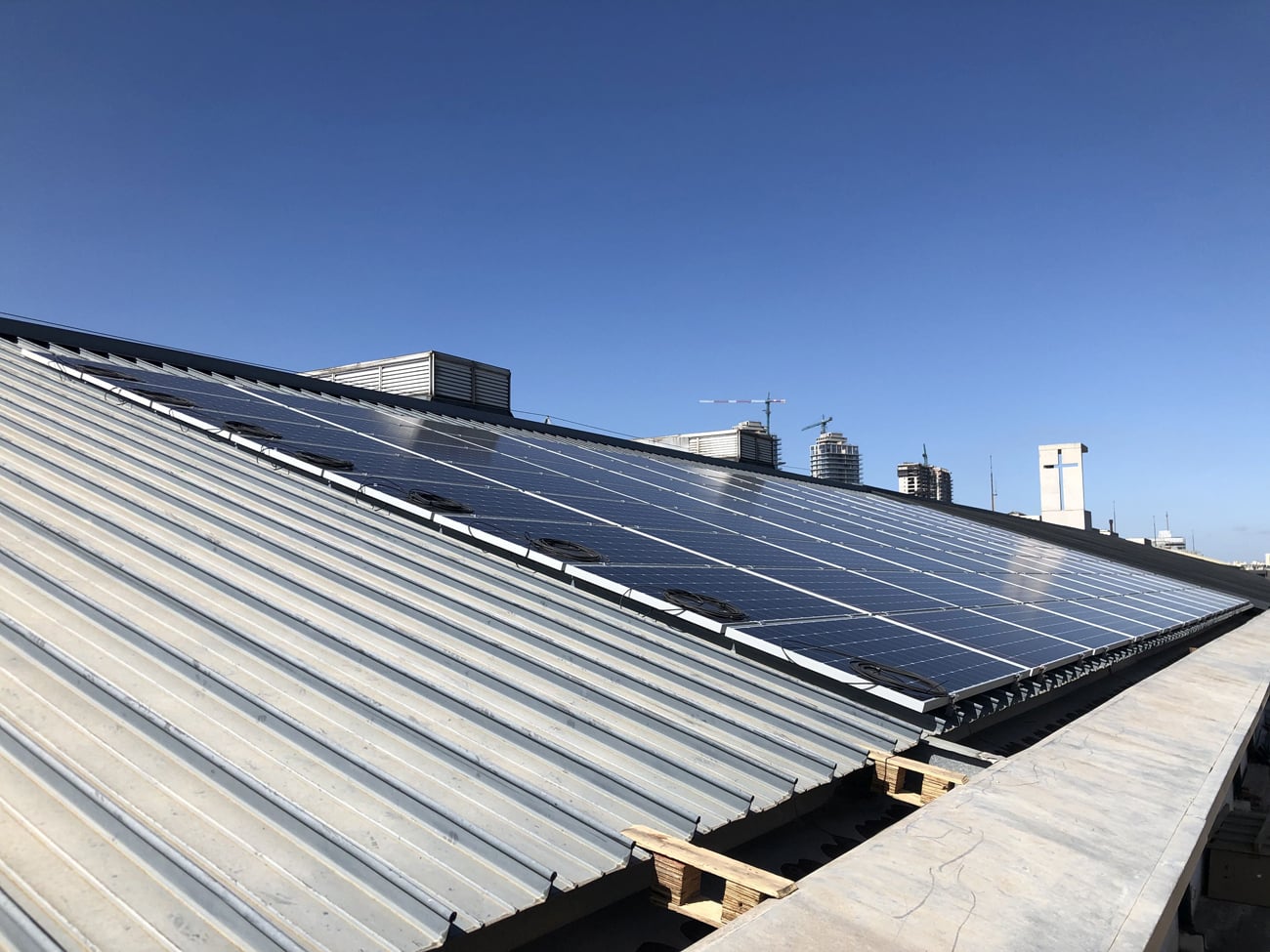
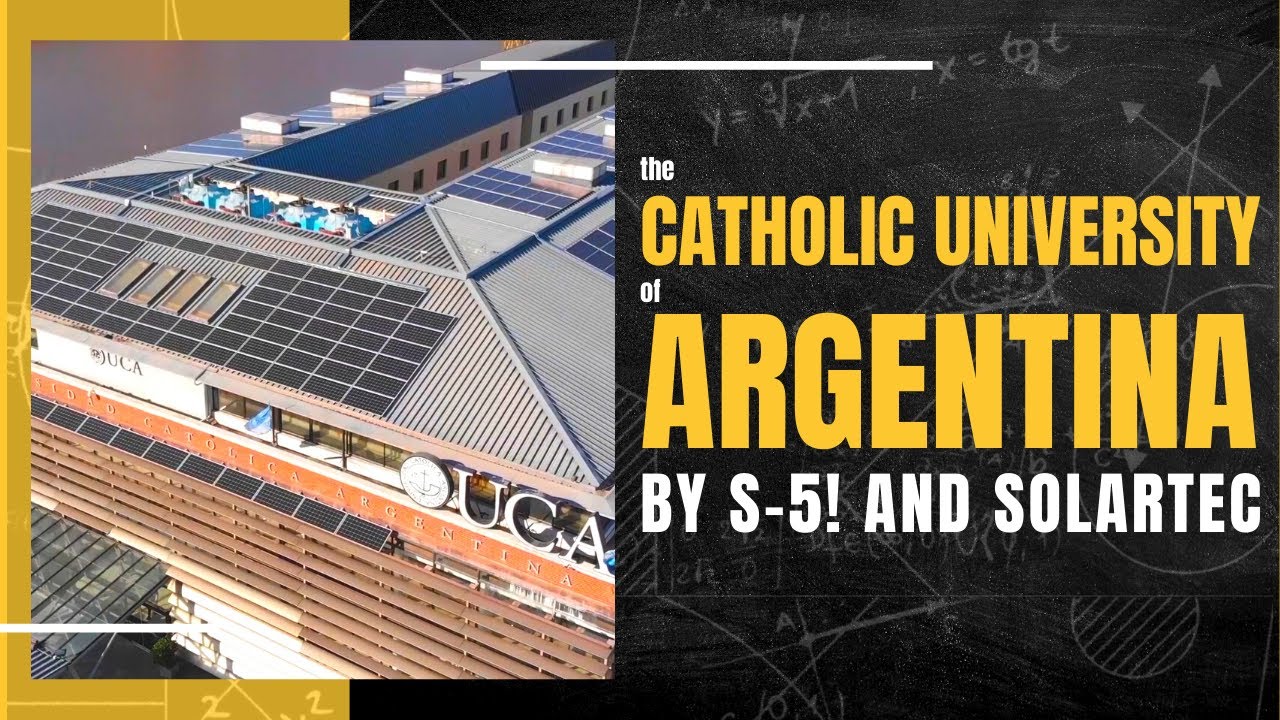
The Catholic University of Argentina’s (UCA) main campus is located in Puerto Madero, Buenos Aires. The UCA rehabilitated its Santa María postgraduate school building – a 19th century dockyard building along the Rio Darsena Sur (river) – to include façade restoration, roof replacement and structural modifications. The project features an impressive 170 Kw/h photovoltaic (PV) array on a Merchant & Evans ZIP-RIB architectural/structural standing seam metal roof.
Solar PV system output
PVKIT solar mounts
Solar modules
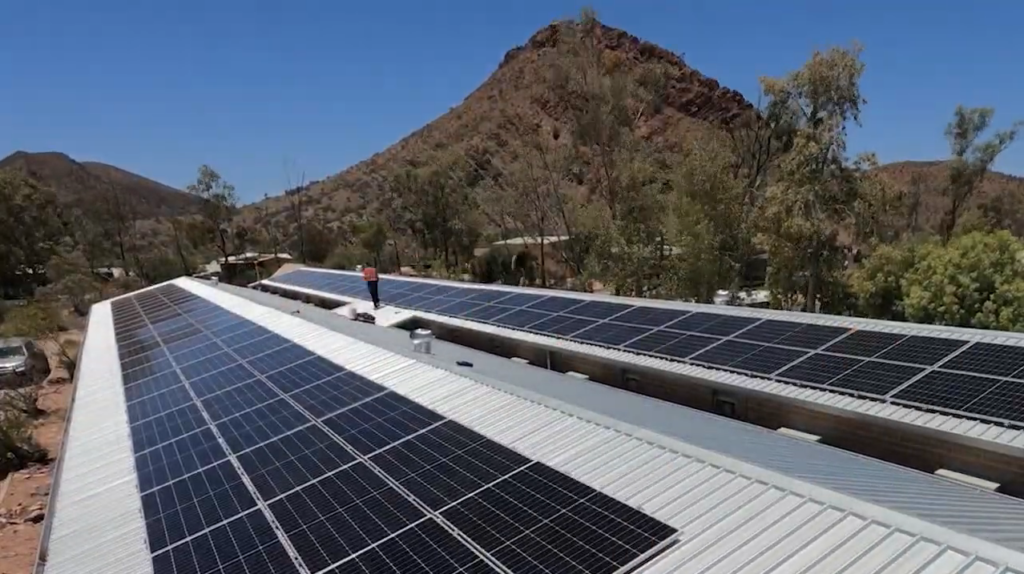
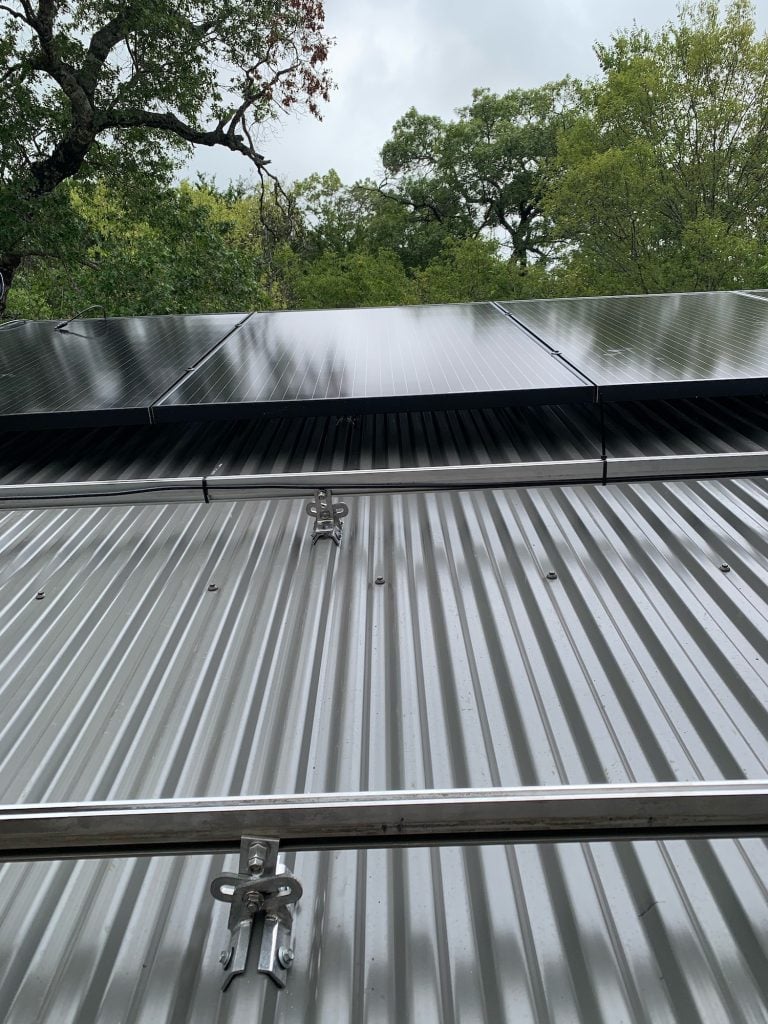
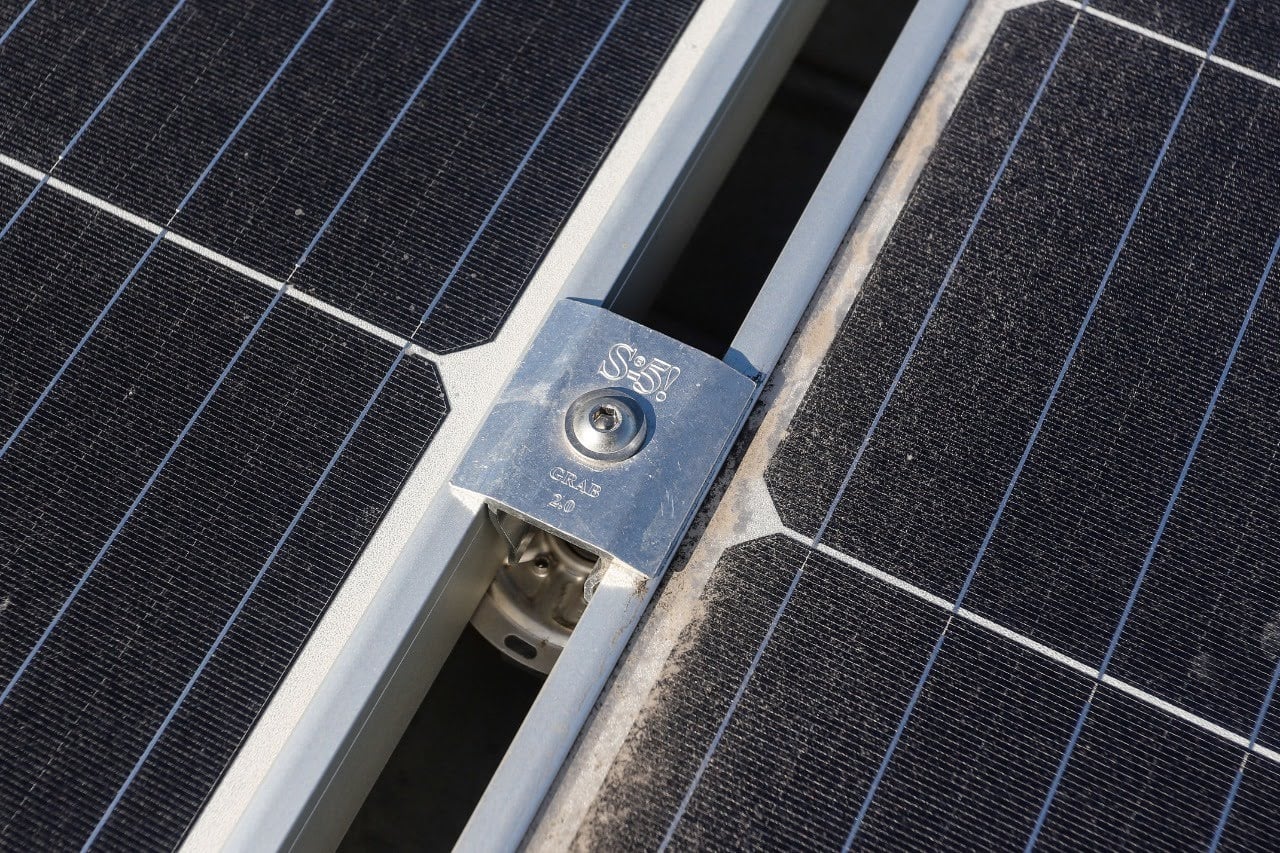
The contractor selected the Merchant & Evans ZIP-RIB roof for its particular use in curved, low-slope and steep-slope applications, such as the Santa María building. The S-5! PVKIT along with the S-5-Z™ Mini clamp were chosen to secure 492 PV modules on the upper, north, west, and east façades, enabling installers to follow the curved roof line. Aesthetically, the solar array is low-profile and aligns flush with the new metal roof due to S-5!’s DirectAttach™ method. The PVKIT solar attachments are securely mounted directly onto the seams of the roof, eliminating the need for a traditional rail system.
By eliminating rails, the result is an aesthetically pleasing, zero-penetration system that preserves the roof structure and does not void roof warranties. The array even provides autonomous lighting at outdoor meeting points in the event of a power outage. By adopting solar technology, the UCA was able to supplement 7% of the building’s power demand and produce energy to feed into its electrical system, resulting in a more energy-efficient building that’s now compliant with the law.
Reduced material costs
Lighter than rails
Energy supplemented