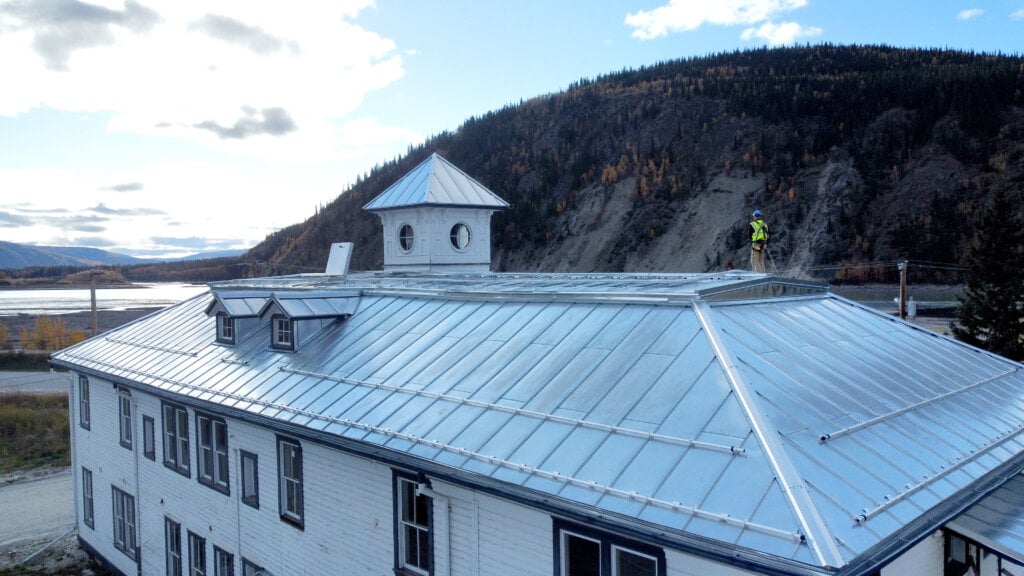
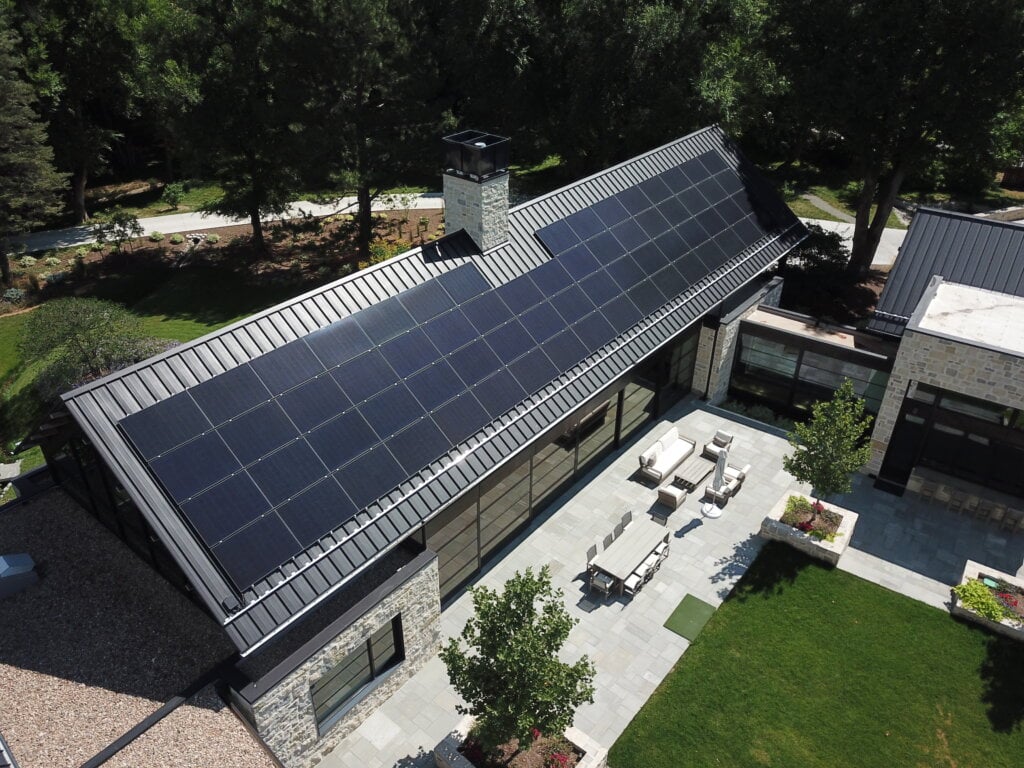
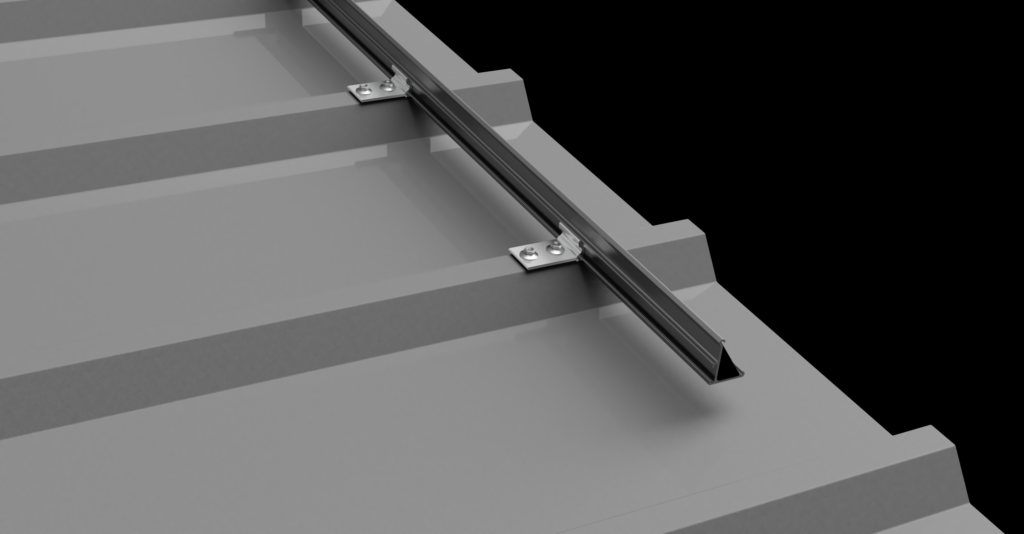
SnoGard EF™ Exposed-Fastened Snow Retention
Pre-Engineered, Prescriptive Snow Retention for AG-panel, R-Panel, Corrugated and Trapezoidal-Rib Metal Roofs
Your Snow Retention Solution for Exposed-Fastened Roofs
Need Snow Retention Made Simple?
Not every exposed-fastened roof requires a fully engineered snow retention system. SnoGard EF provides a pre-engineered, prescriptive solution for projects using published guidelines and standardized installation methods.
Its straightforward system design helps contractors quickly determine fit and install with greater consistency and confidence, without project-specific engineering calculations.
Simpler Snow Retention
Designed for AG panel, R-panel, PBR and corrugated profiles, SnoGard provides a practical alternative to brake-fabricated solutions, glued-on products or individual snow guards.
Built on decades of S-5! metal roof attachment expertise, SnoGard EF uses pre-engineered, prescriptive design to simplify system selection and installation for exposed-fastened metal roof applications.
Why Choose SnoGard EF?
- Pre-Engineered, Prescriptive Design - Simplifies product selection using published guidelines without project-specific engineering
- Long-Lasting Metal Construction - Mechanically fastened for durable, long-term performance without adhesives that can degrade over time
- Factory-Applied EPDM - Provides a clean attachment point with no messy sealants and ASTM E2140-tested watertightness
- Optimized Rib Spacing - Designed for common 9" and 12" rib spacing to help reduce material, component count and installation cost
- Continuous Bar Design - Delivers a cleaner finished appearance over individual snow guards
- Contractor-Friendly Installation - Supports fast, repeatable installation in the field
- Prepackaged Components - Simplifies ordering, stocking and installation
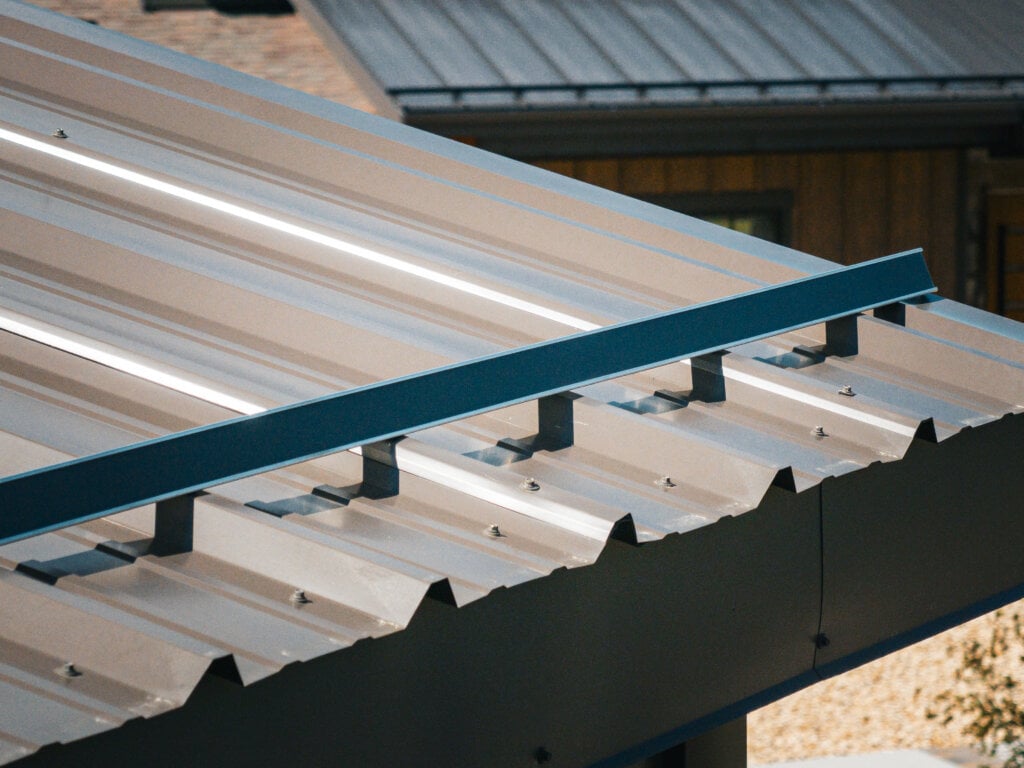
Average cost* is approximately $5.43 per linear foot of assembly.
*Average cost is for product only and does not include shipping or labor. Pricing is in USD. Prices vary based on region and other factors. Pricing improves with order quantity. Broken boxes may be subject to handling charges. Call your Authorized S-5! Distributor for current pricing.
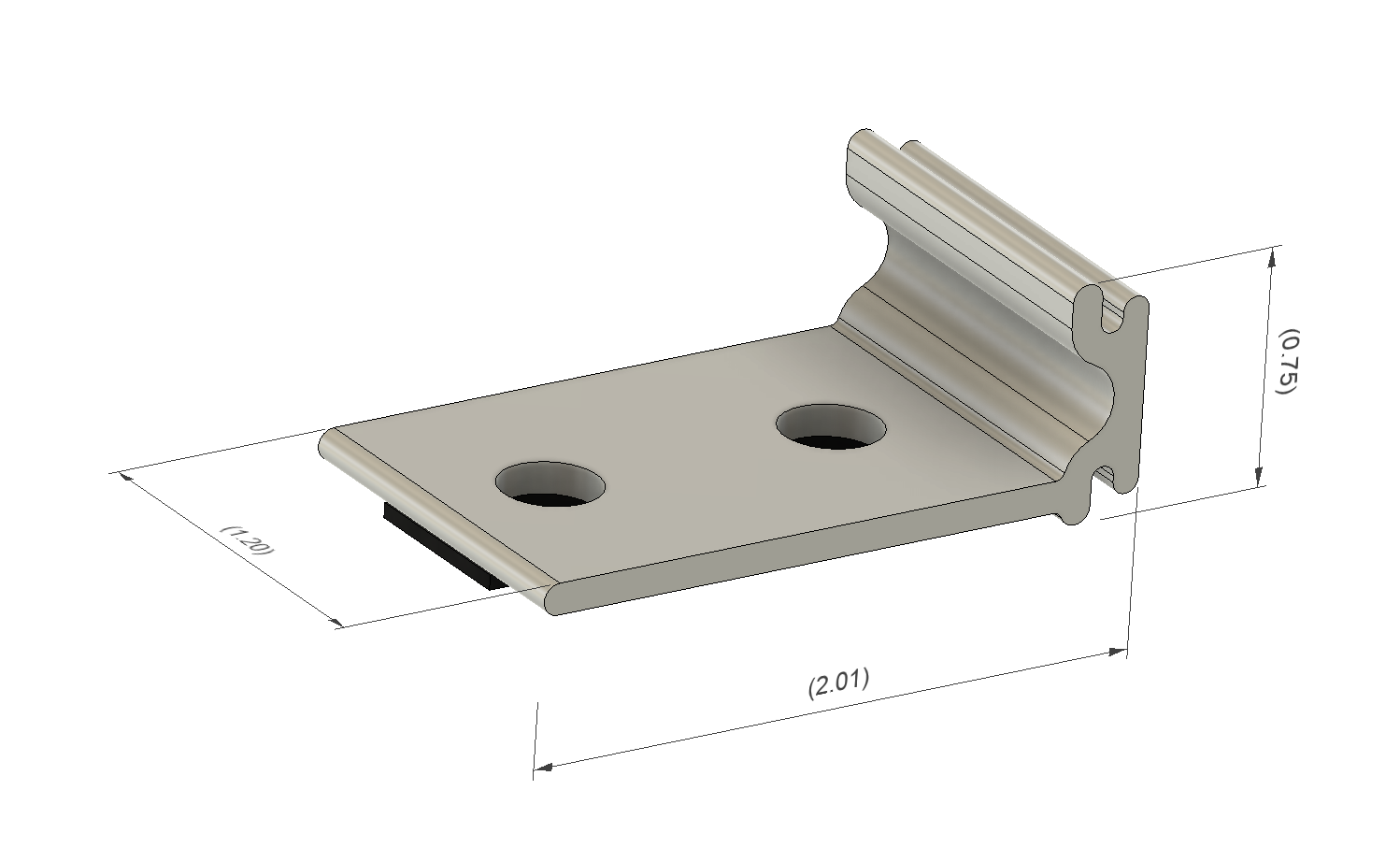
(Pictured: SnoGard EF mounted on an exposed-fastened metal roof)
SnoGard EF Components
Components, quantities and costs depend on your metal roof profile and project specifics.
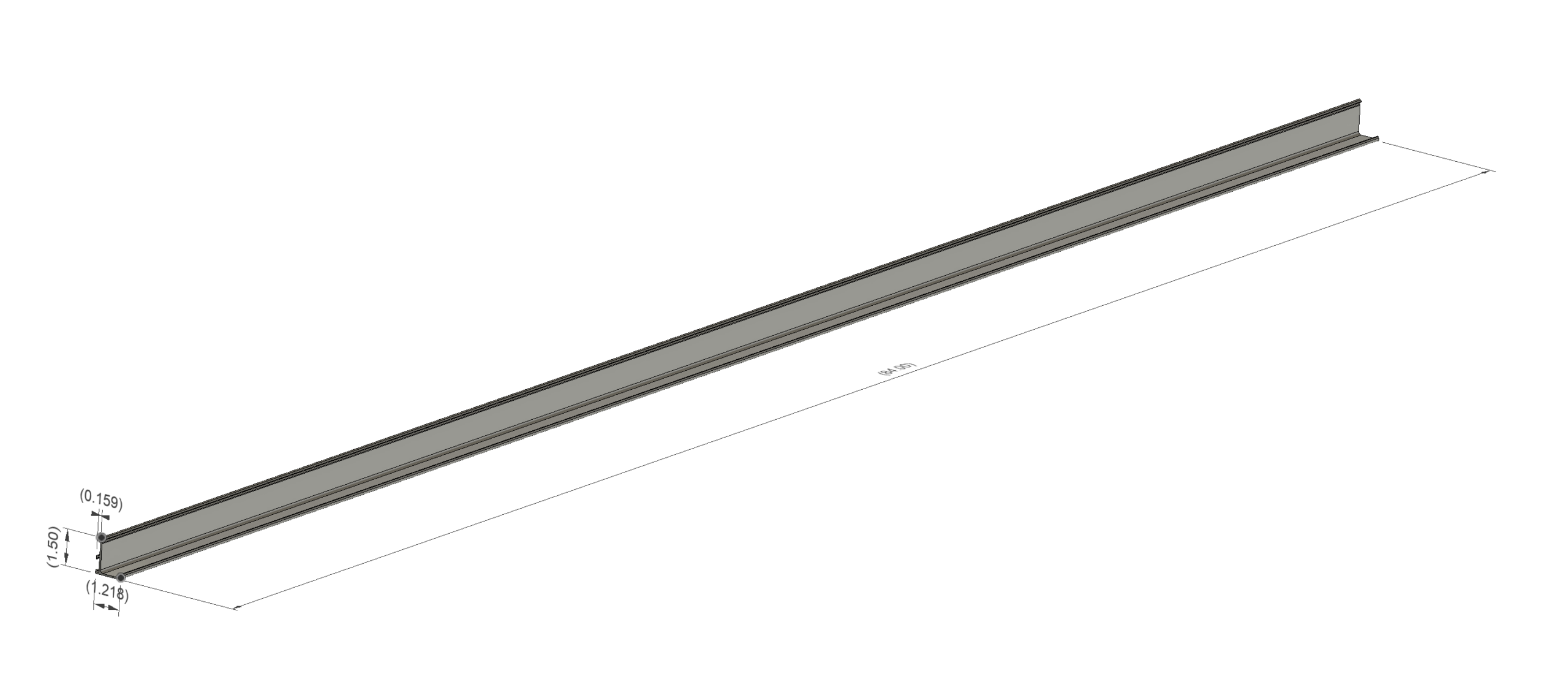
ColorStrip™ (Not Included)
This strip of roof material is inserted into crossmember to match the roof color. Request color strips 1⅝” wide from roofing panel manufacturer or your authorized S-5! distributor.
Not included: Available from your roofing retailer and made from matching roof material and finish to help provide a consistent appearance.
FAQs
Why should you keep snow on the roof?
When snow avalanches off a rooftop, it can damage anything in its path. This sudden release of snow can be dramatic—dumping tons of snow all at once. Falling snow forms a temperature-sensitive bond to the surface of a metal roof. As that roof warms, whether from the sun or from building heat loss, the bond with the snow is broken and a thin film of melt water serves to lubricate the roof. This can have dramatic results as a several-ton blanket of snow suddenly slides off the roof and avalanches down upon anything in its path: gutters, vehicles, landscape, even people. Once piled up below, that same snowbank can cause additional troubles, like direct damage to the building walls or even indirect damage caused by funneling melt water into, rather than away from, the wall. This is what makes snow retention devices desirable: they hold the snow back and allow it to leave the roof slowly, either in small amounts of snow or as meltwater, avoiding the dual calamity of the avalanche.
Why is it a bad idea to put snow guards just over doorways?
It is very difficult to predict how snow banks will shear when only a portion of the bank is restrained. It will not, however, shear in a straight line from the end of the snow retention system (also known as a snow guard) up to the ridge. This is a certainty. Rather, it will shear in a diagonal line toward the ridge. The angle of that line becomes more acute as the slope of the metal roof increases, resulting in a large, wedge-shaped bank of snow being supported by the system -- not a small, rectangular shaped bank. This is because the snow bank has cohesive strength within itself. The cohesive strength varies with the density and temperature of the snow bank, which always changes. Hence, the angle of shear is impossible to determine with any certainty.
Have More Questions?
Submit your information by clicking the form below, and we’ll get back to you almost immediately.